GUIDE 01 / URBAN FIELDWORK
European City Photography
A practical route through architecture, streets, perspective, local light and pedestrian movement.
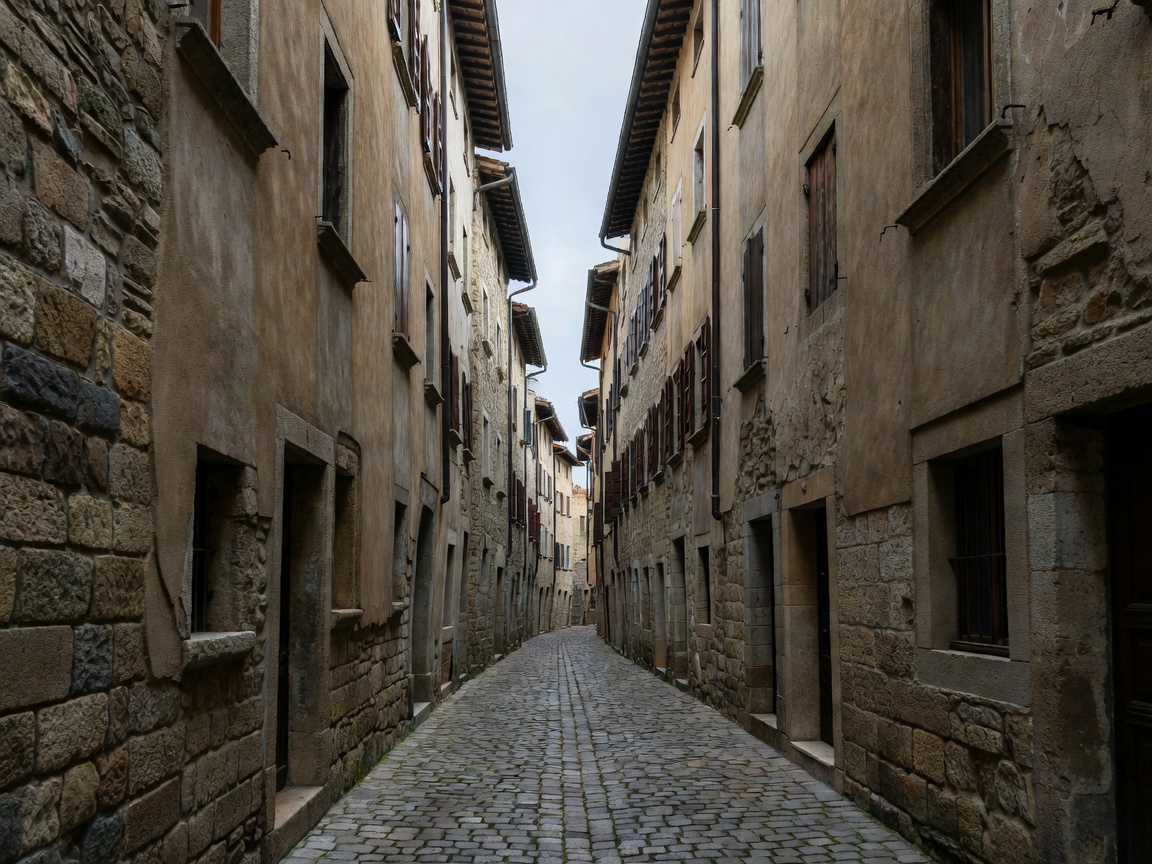
Start with location scouting
City photography improves when the first decision is not exposure. Walk the route. Identify entrances, repeating windows, strong corners, reflective surfaces and changes in elevation. Note where pedestrians naturally slow or cross. A useful workshop structure is simple: scout, make a first frame, review, refine and repeat.
Architecture rewards precision. Keep verticals intentional. Compare a centred view with an off-axis view. A wide lens records context but can exaggerate edges. A normal focal length keeps relationships calmer. A longer lens isolates a facade or compresses distance. The best choice depends on the subject and the space available.
Light and movement
Local light changes the structure of a street. Side light reveals texture. Overcast light reduces contrast and can simplify colour. Backlight creates silhouettes but can remove detail from faces and entrances. Meter for the part of the frame that matters. Watch highlights on pale stone and metal.
Pedestrian movement can provide scale, rhythm or obstruction. Use a faster shutter when gesture must be clear. Use a slower shutter when blur is part of the composition. Wait for a relationship between person, line and background rather than collecting random crossings.
Equipment and method
A single camera and one versatile lens are sufficient for a focused city session. Bring spare batteries, a small notebook and weather protection. A tripod is useful for deliberate architectural work, but it can slow movement and attract attention. Keep the setup mobile when the route requires frequent changes.
Good fit for
This subject suits photographers who enjoy geometry, walking and repeated refinement. Beginners can work with one street and one lens. More experienced photographers can set constraints around focal length, colour or viewpoint.
What to verify
Before joining a city workshop, verify the walking distance, accessibility, weather plan, group pace, permitted equipment and approach to photographing people. Local rules and cultural expectations vary. Respect private spaces, sensitive sites and any instructor guidance.
Field checklist
- Scout the route and identify two fallback locations.
- Check verticals, edge distractions and highlight detail.
- Compare wide, normal and compressed perspectives.
- Review a small sequence before changing location.
Related routes: street and documentary work and night photography.