GUIDE 02 / TERRAIN FIELDWORK
Landscape Photography Workshops
Use foreground, midground, background, natural light and weather as active compositional tools.
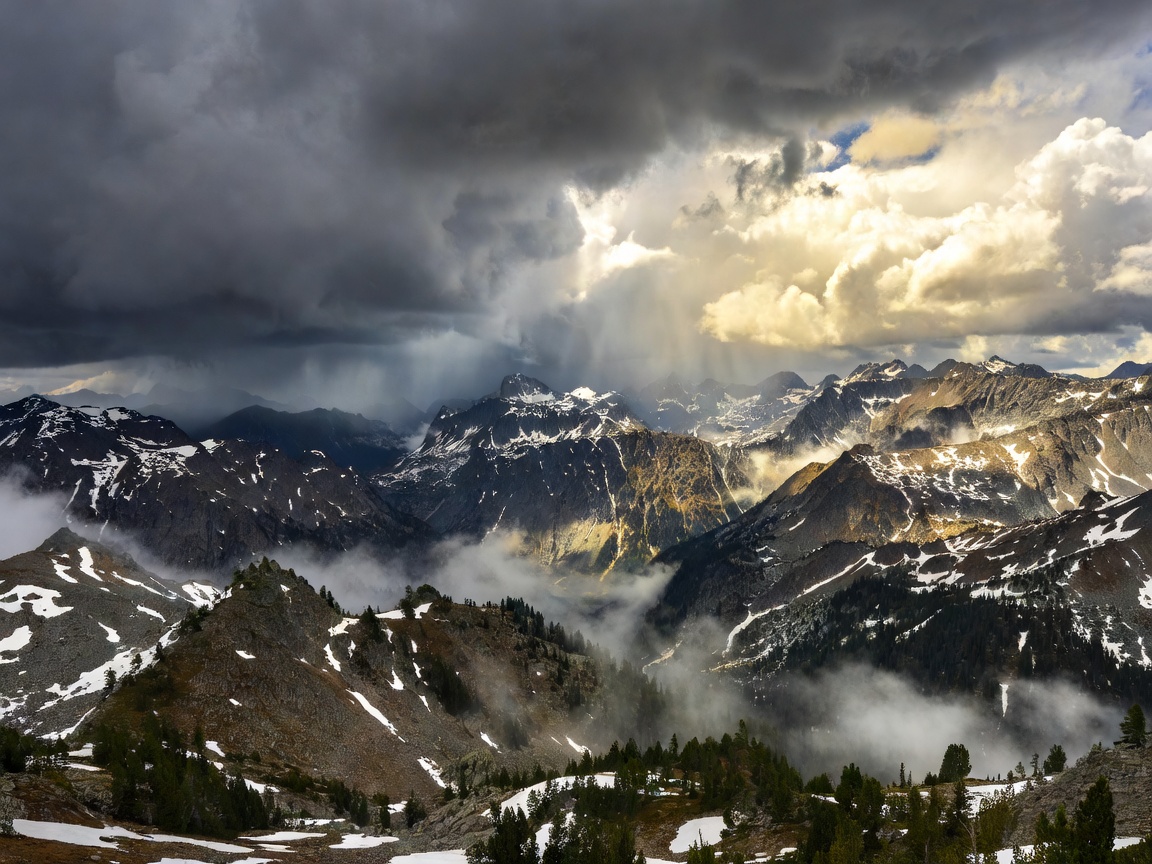
Build depth deliberately
Landscape composition starts with relationships. Foreground gives entry and scale. Midground carries the subject. Background establishes distance and atmosphere. If one layer is weak, change height, position or lens choice before adding a filter. A wider view includes more context but creates more edges to control. A longer lens simplifies terrain and compresses layers.
Natural light and weather
Clear light is not automatically better. Side light describes relief. Cloud can soften distant contrast. Rain can separate planes and alter colour. Wind changes water, vegetation and tripod stability. Read the forecast as a planning tool, not a promise. Keep a flexible route and protect equipment from sudden conditions.
Tripod and lens decisions
A tripod supports long exposures, careful alignment and consistent review. It also adds weight and slows movement. Use it when stability improves the image, not as a ritual. A wide lens suits close foregrounds and large skies. A normal lens often produces a more natural spatial relationship. A telephoto can isolate a ridge, tree or weather pattern.
Location planning
Check access, walking time, terrain, daylight and a safe return route. Do not assume a viewpoint is suitable in every season. Protect fragile ground and avoid entering restricted or sensitive areas. A workshop should explain its route, pace, contingency plan and expectations for participants.
Good fit for
Landscape work suits photographers who prefer slower observation and repeated framing. It is useful for beginners learning visual structure and for experienced photographers testing constraints such as one focal length or one direction of light.
What to verify
Ask whether the session requires hiking, what weather is expected, whether transport is included, how much time is spent walking versus photographing, and what tripod or clothing requirements apply. Conditions and local access can change.
Field checklist
- Plan foreground, middle distance and background.
- Pack layers, water, weather protection and spare power.
- Test tripod placement before the light changes.
- Review the frame edges and histogram.
Continue with city composition or compare formats in the planning guide.